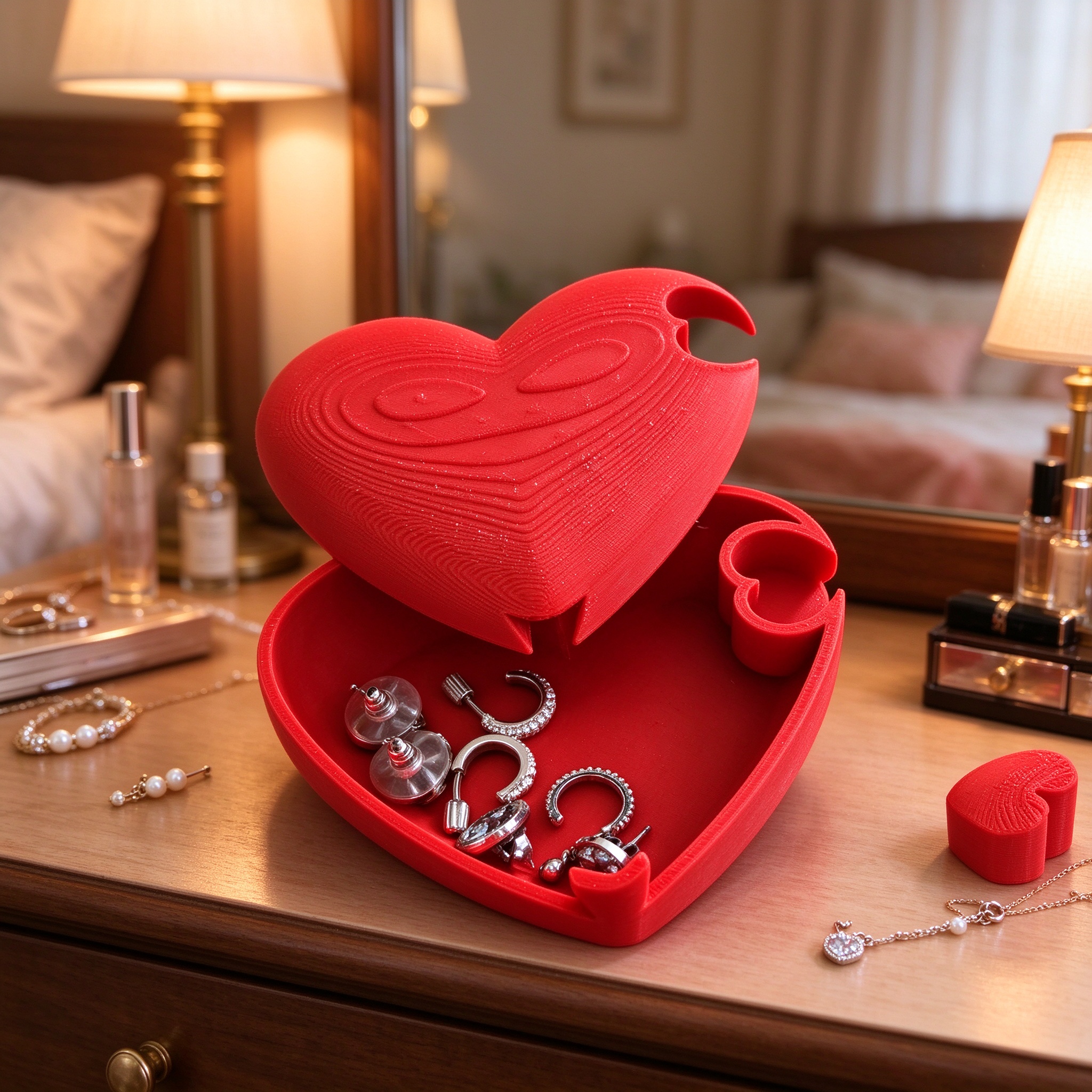
Traditional retail makes thousands of items before anyone buys them, and anything unsold is often discounted or thrown away. On-demand 3D printing flips that order: a piece is made only when it’s actually ordered, which changes the waste picture significantly.
The problem with overstock
Mass-produced goods require a forecast, a factory run, a warehouse, and a shelf. If the forecast is wrong, unsold inventory has to be discounted or written off. Fast home goods are especially prone to this because trends and colors change quickly.
What changes with on-demand printing
- A piece is printed only after an order comes in
- There’s no warehouse full of unsold stock
- Material is used only for the products being made
- Colors can be chosen to order instead of pre-committed
- Small design fixes apply immediately to the next print
The material matters
Our home goods are printed in PETG, a durable, food-safe thermoplastic that’s clean to print and long-lasting. We chose it for durability over brittle alternatives, so pieces don’t need to be replaced often.
What it means for you
You receive a piece that was made to order, cleaned, and inspected by hand, rather than picked from a large run. The trade-off is a clear 5–10 day shipping window; the benefit is a product that wasn’t part of a wasteful overstock cycle.
How custom colors fit in
Because there’s no pre-committed stock, you can ask for a color that matches a specific room — for example, a heart box or a tissue cover in a shade that suits your space. Just message us before ordering.
Read more about how we work and browse the full collection of made-to-order home goods.